What is Conscious Sedation in Dentistry?
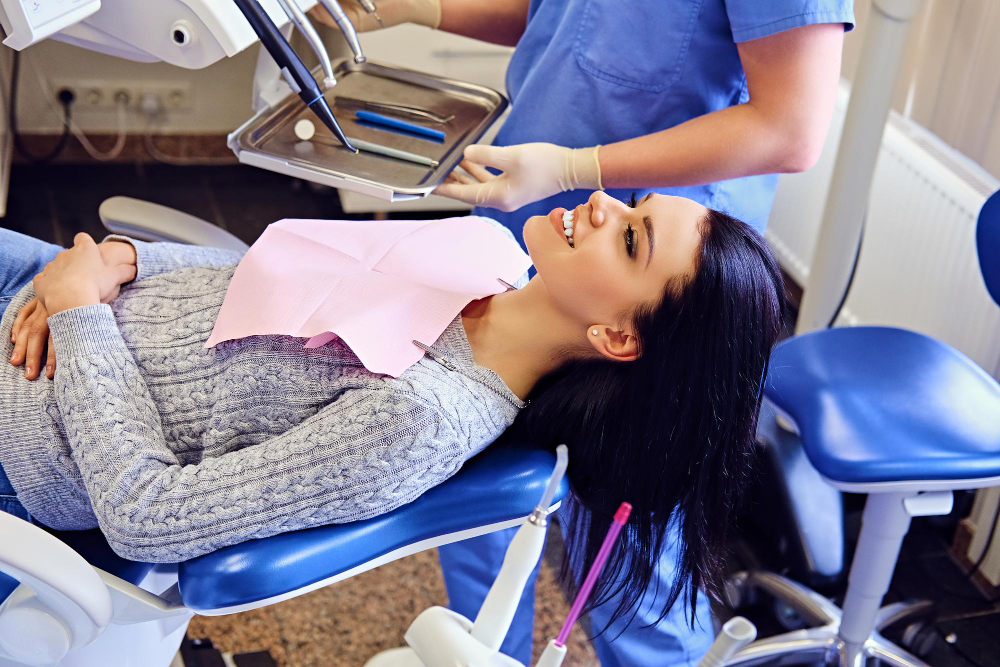
Conscious sedation is a safe way to help patients relax during dental procedures. It uses medicine to calm you, but you stay awake and can respond to your dentist. Many people feel nervous about dental work. For this reason, conscious sedation can make visits easier and less stressful. Understanding who needs conscious sedation for dental procedures helps you make informed choices about your care.
Who May Need Conscious Sedation for Dental Procedures?
Not everyone needs sedation for dental work. However, some people benefit more than others. You may be a candidate for dental sedation if you:
For example, children or adults with special needs may find it hard to stay calm. In these cases, sedation dentistry for anxiety can help make treatment possible and comfortable.
Common Dental Procedures Requiring Conscious Sedation
Some dental procedures are more likely to need sedation. While many treatments can be done without it, conscious sedation is often used for:
Still, your dentist will decide if sedation is needed based on your comfort and the type of procedure.
Benefits and Risks of Conscious Sedation
Conscious sedation offers many benefits. First, it helps you feel calm and relaxed. Second, it can reduce pain and discomfort. Third, it allows dentists to work more efficiently. However, there are some risks to consider. These may include:
According to the American Dental Association, conscious sedation is safe when given by trained professionals. But, it is important to discuss your health history with your dentist before any sedation.
How Dentists Decide if You Need Conscious Sedation
Your dentist will look at several factors before recommending sedation. For instance, they will ask about your medical history, allergies, and past dental experiences. They will also consider the type of dental work you need. If you have certain health conditions, your dentist may suggest other options. In every case, the goal is safe dental sedation that fits your needs.
What to Expect Before, During, and After Sedation
Before your appointment, your dentist will explain the process. You may need to avoid food or drink for a few hours. During the procedure, you will get medicine through a mask, pill, or small needle. You will feel relaxed but can still answer questions. After the procedure, you may feel sleepy for a short time. Therefore, it is best to have someone drive you home. Most people recover quickly and can return to normal activities the next day.
Safety Tips and Precautions
To keep sedation dentistry safe, follow these tips:
Because safety is important, dentists use special equipment to monitor your breathing and heart rate during sedation. This helps prevent problems and keeps you safe.
Conclusion
Conscious sedation can make dental visits easier for many people. If you feel anxious or need complex dental work, you may be a good candidate. However, only your dentist can decide what is best for you. Consult Dr Ravi Chandra B S to find out if conscious sedation is right for you.