
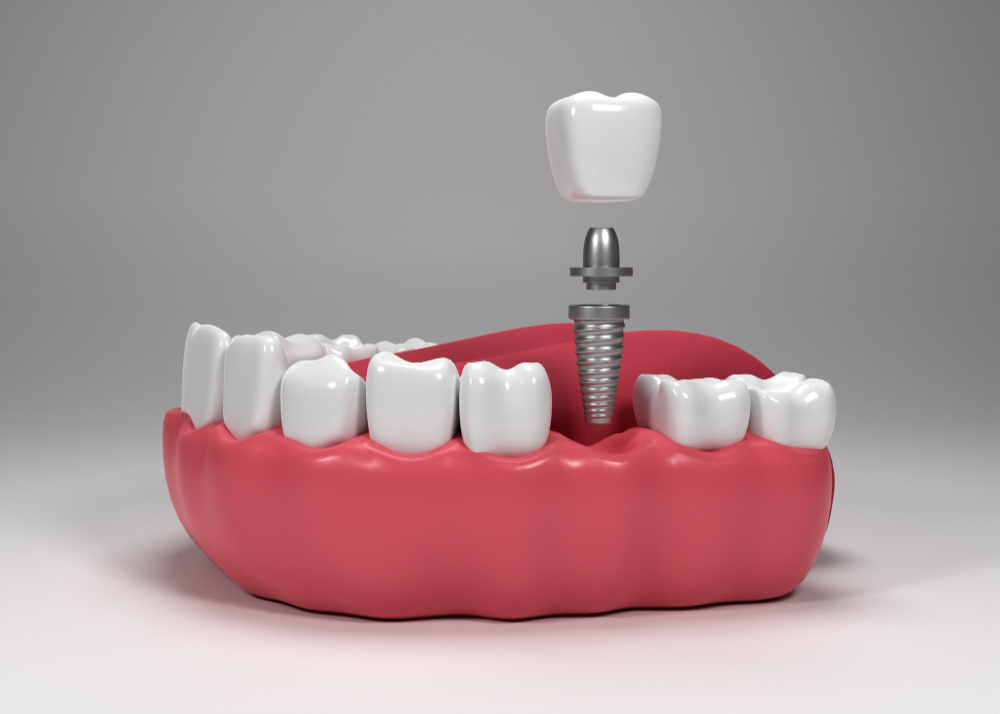
Introduction: What Are Dental Implants?
Dental implants are artificial tooth roots. Dentists use them to replace missing teeth. Usually, they are made of titanium. These implants support crowns, bridges, or dentures. As a result, dental implants help restore your smile and chewing ability. Many people choose dental implants because they look and feel like natural teeth. If you live in your city, dental implants may be an option for you.
Benefits of Dental Implants
Dental implants offer many advantages over other tooth replacement options. For example, they are strong and stable. In addition, they can last for many years with proper care. Here are some key dental implant benefits:
Because of these benefits, dental implants are a popular choice for many adults.
Who Is a Candidate for Dental Implants?
Not everyone is a good candidate for dental implants. However, many adults can get them. You may be a candidate if you:
Still, your dentist will check your mouth and health history. Sometimes, extra steps like bone grafting are needed before the dental implant procedure.
The Dental Implant Procedure: Step-by-Step Overview
The dental implant procedure usually takes several months. But each step is important for success. Here is a simple overview:
Throughout the dental implant procedure, your dentist will guide you and answer your questions.
Risks and Potential Complications
Dental implants are safe for most people. However, like any surgery, there are some risks. For instance, you may have:
Although these problems are rare, it is important to follow your dentist’s advice. The American Dental Association and CDC recommend regular check-ups to catch any issues early.
Aftercare and Recovery Tips
Proper dental implant aftercare helps your implant heal and last longer. Here are some helpful tips:
With good aftercare, most people recover quickly and enjoy their new teeth for many years.
Prevention of Implant Failure
Even though dental implants are strong, they can fail if not cared for. To prevent implant failure, you should:
Because prevention is key, always talk to your dentist if you notice pain, swelling, or loose implants.
Frequently Asked Questions
Conclusion
Dental implants can restore your smile and improve your quality of life. However, it is important to follow your dentist’s advice for the best results. Consult Dr Ravi Chandra B S, a dental specialist to determine if dental implants are right for you.